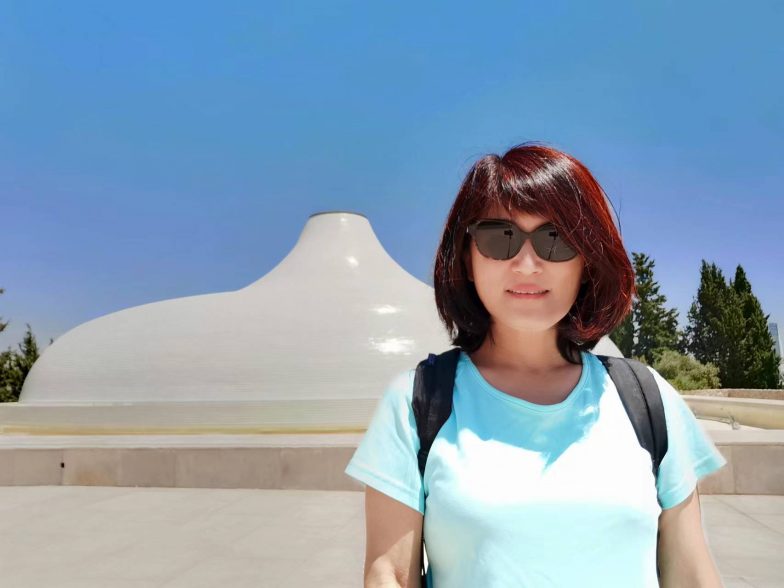
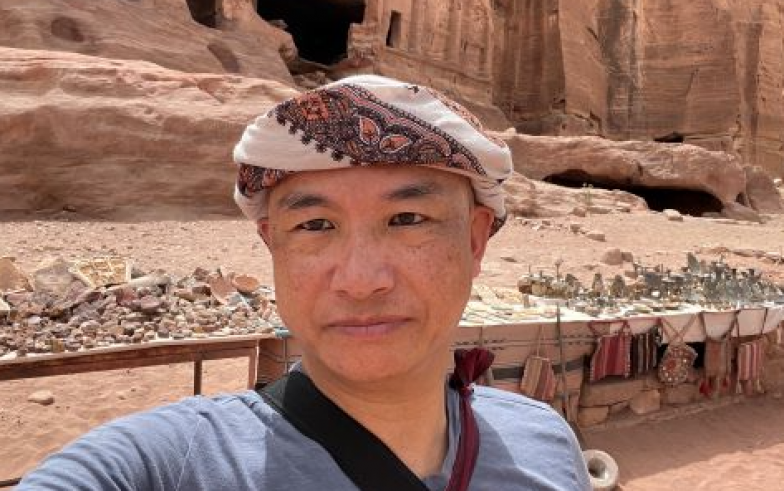
拿撒勒、加利利海—行程的第三站—主耶穌成長、傳道的地方。對比於耶路撒冷的喧囂,這裡多了一份幽思,面對著寧靜的加利利海,思想著主耶穌所行過的眾多神蹟奇事、就地取材地門徒訓練,而最令我觸動的,則是chapel of Primacy旁的一處岩石,就是主耶穌為門徒預備早餐,並三次問彼得,「你愛我嗎?」的地方。聽著領隊的短講,面對著前面一片祥和的湖面,想像著主耶穌在升天前,對彼得的託付。彷彿「主」也一樣地問我,你愛我比這些更多嗎?我靜默了⋯,因為這將成為我一生的提醒!
“And the Word became flesh and dwelt among us, and we have seen his glory, glory as of the only Son from the Father, full of grace and truth.” John 1:14
Israel is a beautiful, surreal, strange land. The bustling cities are modern – Wi-Fi, smart phones, credit cards, skyscrapers and hip condos, American pop music on the radio. The Mediterranean countryside is familiar – rolling hills covered in beige grass, rocky desert expanses, flat plains covered with farmland, towering mountain ranges.
Yet whispers of a deep, ancient past echo throughout this land. Mysterious caves hidden in the mountains. Ruins and tunnels buried beneath layers of centuries-long construction, destruction, and reconstruction. Basilicas memorializing monumental gospel events incorporated in plain sight into the bustling cityscape. Familiar place names from the scriptures – Dan, Beersheba, Mount Carmel, Bethlehem, Nazareth, Capernaum, the Sea of Galilee, Jordan River, Caesarea Philippi, Temple Mount, Mount of Olives, Gethsemane, Calvary.
As I followed the two-thousand-year-old footsteps of Jesus Christ, my heart was gripped with a wistful longing to experience the life of Christ himself as he lived on earth. I longed to know what sights, smells, and sounds he must have come across in these same locations. I was so close to him, yet so far, removed from by an impassable distance of time. The icons and rocks are silent and nearly mythical in quality, making for an insufficient substitute for the presence of the man of God himself.
Israel showed me the ordinary Christ. I was reminded that Christ’s footsteps on earth were not filled with awesome splendor and unapproachable light. His life on earth was humble, plain, lowly, painful. Before his ministry started, he spent many mundane years living out the unbearable ordinariness of our lives – the oppressive heat of summer, tired and hurting feet, sleepless nights, sickness, worries about the future, complicated socio-cultural dynamics, the cyclical routine of daily life, the joy of exploration and learning, the difficulty of conflict and chaos. All so that he could redeem us to himself.
Hence it is only suitable that two thousand years later, the places where he walked, hallowed as they may be, are ultimately ordinary, partially consumed by modernity, partially lost to time, partially enshrined in beautiful yet insufficient expressions of the glory of the Father. Non-exempt from the passage of history. Impermanent and never again to be what it once was. If even places such as these holy sites are still evidently human, how much more so does the eternal kingdom of heaven feel weighty and glorious.
Christ, the King of the universe, came to Israel to live an ordinary, simple, fleeting life, which stands in unspeakable opposition to his magnificent, omniscient, timeless nature, because He loved us. This is the true glory of God. Yes, Christ is truly better than anything in this world. I am encouraged to continue pursuing Christ to know him, both the ordinariness of his life on earth as well as the glory of his resurrection.
“For now we see in a mirror dimly, but then face to face. Now I know in part; then I shall know fully, even as I have been fully known.” 1 Corinthians 13:12
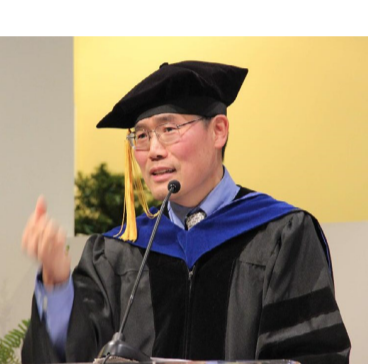
要知道,不是我們要享受人生就可以享受的。當我們有病,或心裡痛苦的時候,我們都不能享受生活。是神的恩典,我們才可以享受生活。享受生活不單是個人的,也需要幫助服務他人。我知道世人,莫強如終身喜樂行善(12,do what is good)。所以,畢業生,讓我們更多的幫助人,行善,與他人分享我們的時間、金錢、生命等,這才算是享受生活,且生活得好。
2015 年出版的一本書叫做 The Church in Exile,流放中的教會。作者驚嘆過去三十年北美教會在北美社會中被邊緣化之迅速。我來美國快要三十年了,也親眼目睹和經歷了這一變遷,特別是近期,常聽到教會關閉,美麗的教堂被賣掉,有的轉成民宅或商業用地。根植在北美的華人教會也深受其影響,唯一不同的是華人教會幾乎從來都是處在社會邊緣的,就是在美國也是這樣。不過,北美教會被流放也會直接影響在北美的華人教會。那麼,處在這樣一個變遷的時代,作為神學院的畢業生該如何面對呢?我們來看耶利米書廿四章1-7節。
The Church in Exile 的作者像是看到了北美的教會正在被逐出北美的社會中心,教會對北美的社會已經失去了往日的影響力,心裡傷痛。如今北美教會老年化嚴重,基督教信仰在年輕一代人的心目中越來越淡化、邊緣化,好像過時了。四年前,我應邀去德州在一個教會退修會作講員。他們就說他們的孩子一上大學離開家,就不去教會了。在這方面,加州就更嚴重了。到底哪裡出問題了?我們不妨再次回到耶利米的時代,當猶大人逃到埃及後,他們仍然不聽先知的話,反而回答他說:「論到你奉耶和華的名向我們所說的話,我們必不聽從。我們定要成就我們口中所出的一切話,向天后燒香,澆奠祭,按著我們與我們列祖,君王,首領在猶大的城邑中和耶路撒冷的街市上素常所行的一樣。因為那時我們吃飽飯,享福樂,並不見災禍。自從我們停止向天后燒香,澆奠祭,我們倒缺乏一切,又因刀劍飢荒滅絕。」 (耶 44:16-18)。吃飽飯、享福樂已經成了他們人生的目標,並且以拜偶像來達到此目標。在今天,那就是掙錢、掙大錢是人們的目標。就是在教會裡,你也常聽到他們說他們的孩子多麼優秀,拿了什麼獎,上了什麼名校,拿到了什麼工作,掙大錢。很少聽到他們說他們的孩子怎樣愛主,幾乎聽不到我家孩子天天背起十字架跟隨主。比較這兩個時代,有一點是共同的:本末倒置。看重受造物,卻不敬拜造物主。